Choosing a composite door is one of those decisions that looks simple from the outside, pick a colour, pick a style, but rewards a bit more thought once you look at the details.
Why composite, and not uPVC or aluminium?
Composite doors are built around a solid core, which gives them a different feel from uPVC doors and a different character from aluminium entrance doors. They are designed to resist the kind of day-to-day wear a front door takes, temperature changes, regular use, and the occasional rough weather, without the maintenance cycle that painted timber requires.
If you are considering an aluminium entrance door rather than a composite, that is a genuinely different product category. Spitfire and Origin make excellent aluminium entrance doors, but they are not the same thing as a composite door. The two routes are worth comparing separately.
Style first: what entrance do you want?
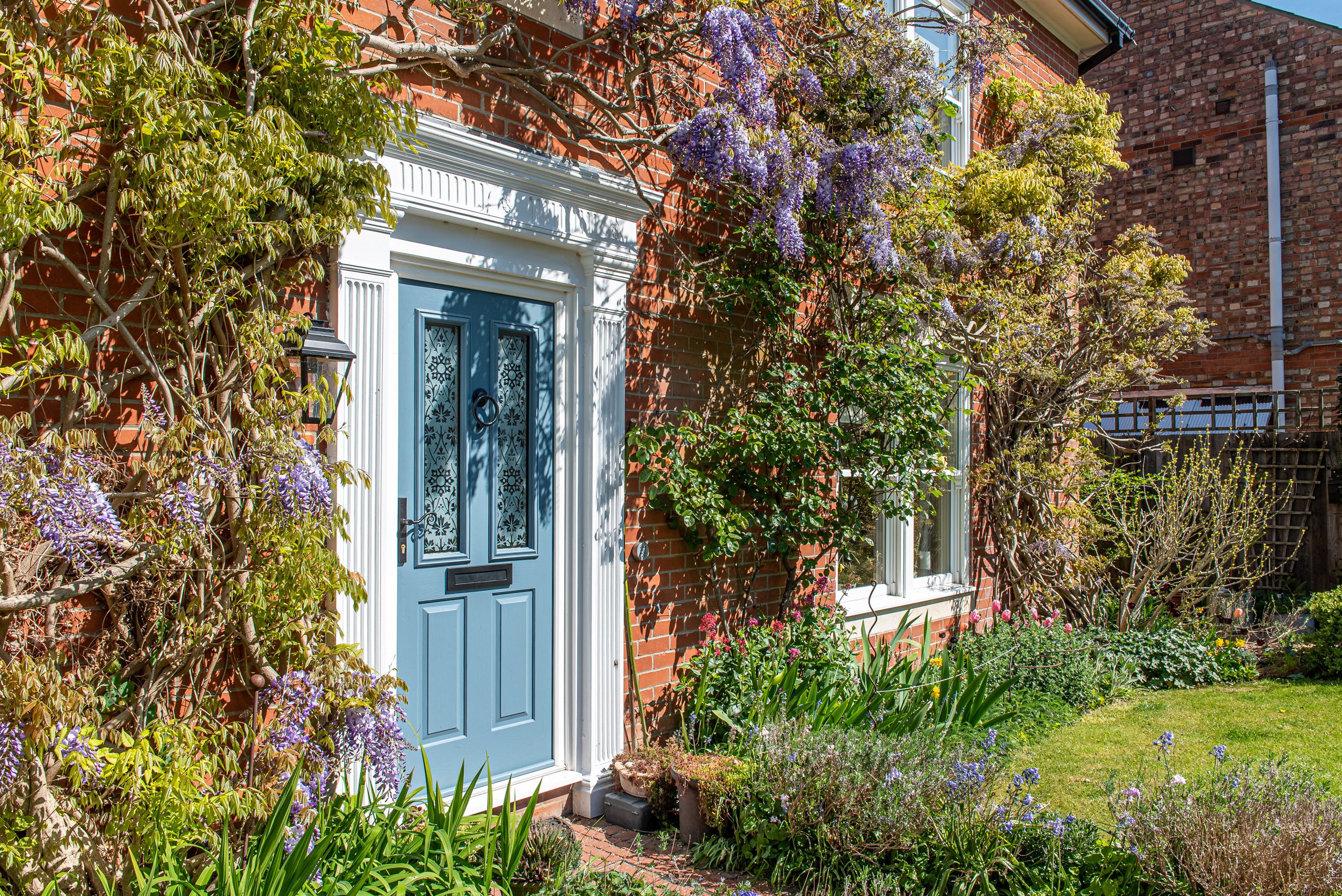
The most useful starting point is the character of the entrance rather than a product specification. A traditional cottage-style door with panelling and decorative glazing suits some properties; a cleaner, more architectural panel suits others.
Key choices to make early:
- Panel layout, deeper panels tend to read as more traditional; flatter panels suit contemporary properties
- Glazing, how much light do you want in the hallway? Privacy and light are in tension here
- Side panels, wider doorways sometimes need a composition, not just a door slab
- Colour, the door colour needs to work with the brickwork, render, or cladding around it
Security, what to look for
Composite doors are generally chosen for security as much as aesthetics. Look for:
- Solid timber or engineered core construction (not foam-filled)
- Multi-point locking systems
- PAS24:2016-compliant locks where security certification matters
- Anti-snap cylinders
Both Solidor and Comp Door, the two composite door ranges we stock, meet modern security expectations. Comp Door doors come with an ABS anti-snap cylinder as standard. Solidor doors include Ultion lock options. The detailed specifications differ between ranges, so it is worth comparing if security certification is a priority.
Comparing Solidor and Comp Door
We stock both ranges because they serve slightly different preferences.
Solidor carries a strong traditional and cottage-door range. The 48mm solid timber core is a clear product differentiator, and the Italia and Residor ranges extend the choice into more contemporary territory. The Solidor Door Designer lets you explore styles online before visiting the showroom.
Comp Door takes a more contemporary approach across a wide colour palette, over 250 combinations. CoolSkin technology and the InvisiEdge system are practical product features worth understanding if you are choosing a more modern finish.
Neither range is objectively better. The right choice depends on the style of your property and which details matter most to you.
Getting to a quote
The most useful thing you can do before requesting a quote is to settle on:
- The style and colour you want
- Whether you need side panels or a made-to-order frame
- The glazing option and hardware
Visiting our Colchester showroom lets you see both Solidor and Comp Door options in person, test the hardware, and understand how finishes look at real scale. That makes the quotation conversation much more productive.
Get a quote or contact the team to start the conversation.