uPVC and aluminium are both good choices for new windows, and we fit both. It’s one of the first decisions to make when you replace your windows. The honest answer is that neither is better in every way. Here’s how they really differ, and how to work out which suits your home.
The short answer
- Choose uPVC if you want good-looking, low-maintenance windows at the more affordable end, especially on a traditional or period-style house.
- Choose aluminium if you want the slimmest frames and the most glass, a modern look, or very large windows.
- Mix them if you like. Plenty of homes have uPVC windows with aluminium bifold or sliding doors at the back.
How they look
This is the biggest difference, and it comes down to the frames.
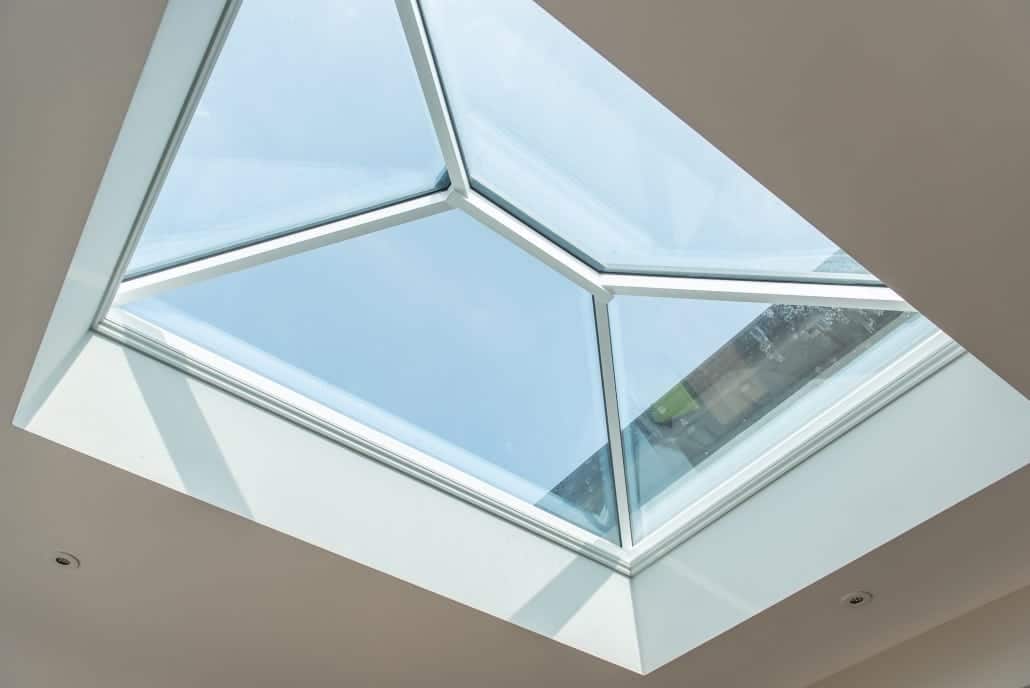
Aluminium is much stronger, so the frames can be very slim. You get more glass and less frame, which suits modern homes, extensions, barn conversions and big openings. It’s the material behind the black, grid-style glazing you see in many contemporary homes.
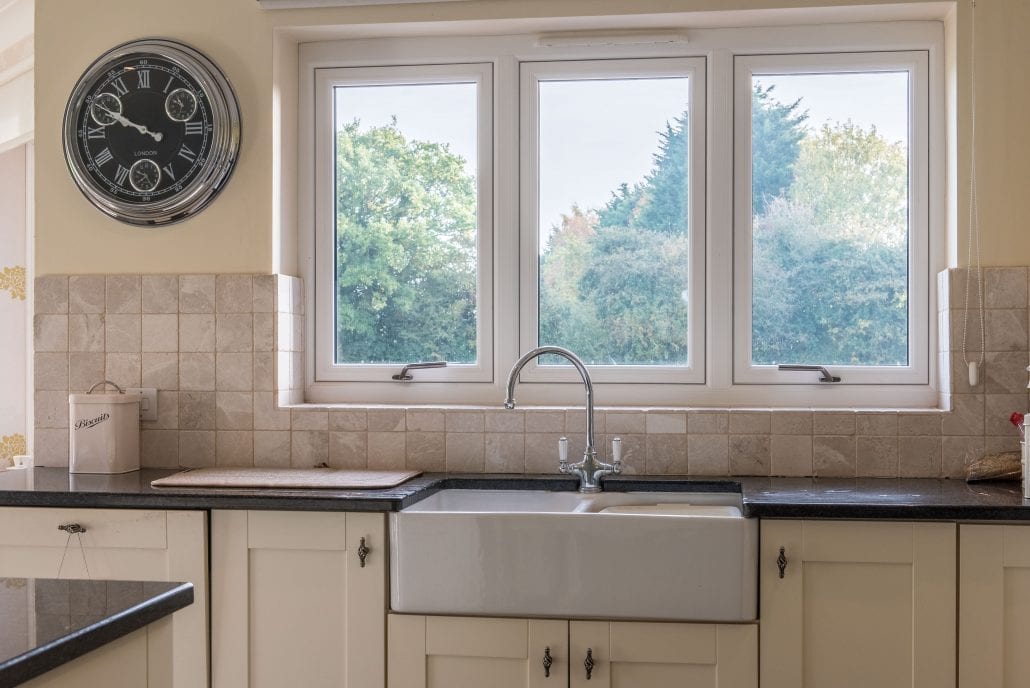
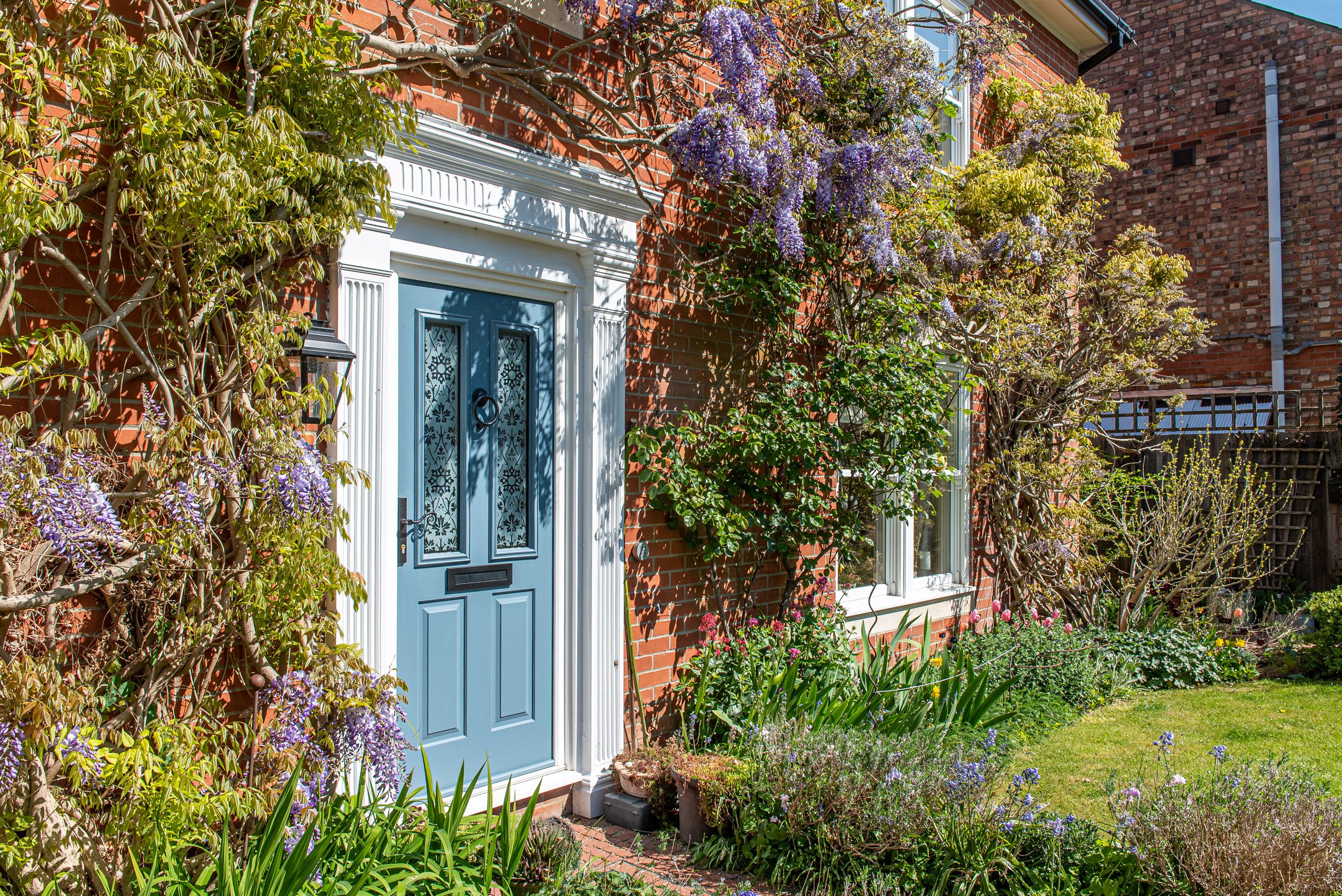
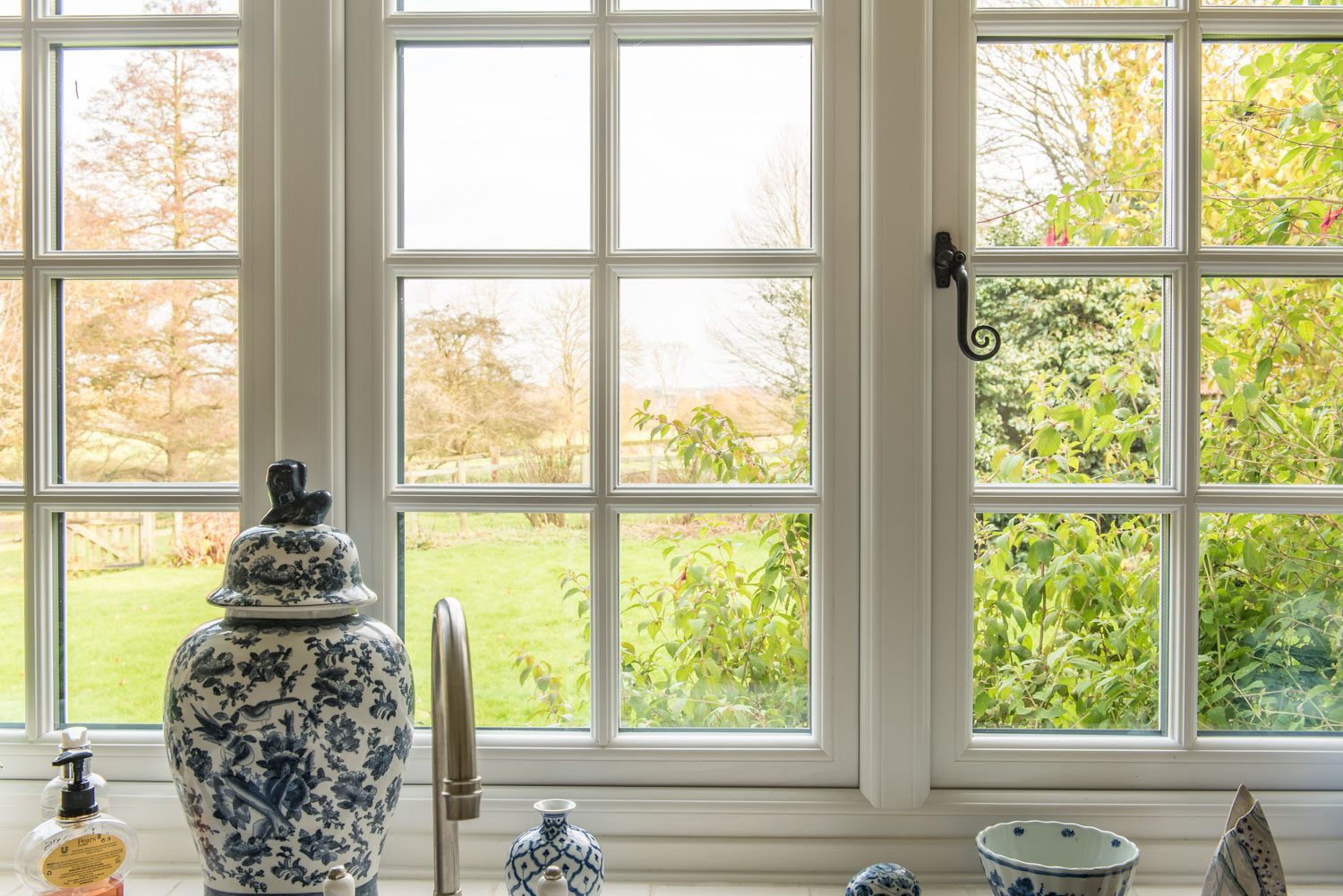
uPVC frames are wider, but modern profiles are a long way from the plain white windows of the past. Our ranges include Deceuninck’s chamfered Traditional 2500 and sculpted Heritage 2800, flush windows that sit flat in the frame like a traditional timber casement, and stormproof windows with monkey-tail handles. uPVC is often the natural choice on traditional and period-style houses.
Colours and finishes
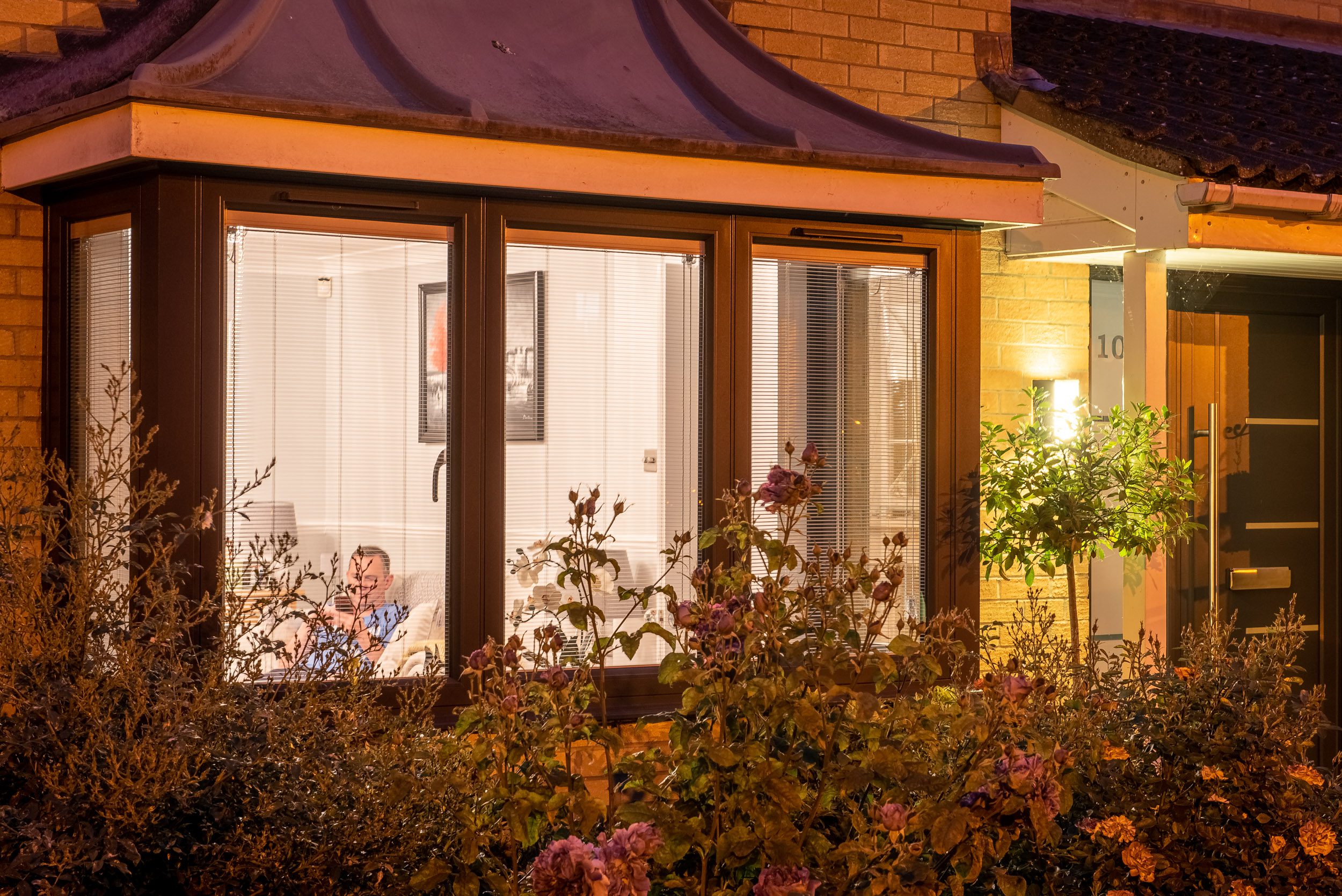
uPVC comes in white, cream and a good range of colours and woodgrain finishes, including the popular agate grey and anthracite grey. In anthracite, a flush uPVC window can look surprisingly close to aluminium from the street.
Aluminium is powder coated, so the choice is huge: from 150 to 600 RAL colours depending on the system, and you can have one colour outside and another inside.
Styles
Both come in the styles most homes need:
- uPVC: casement, flush casement, stormproof, tilt and turn, and sliding sash
- Aluminium: casement, flush and tilt and turn, plus large fixed panes and gable glazing
If you want a traditional vertical sliding sash, uPVC (or timber) is the usual route. Our guide to sash windows: timber or uPVC? covers that choice.
Looking after them
Neither needs painting. uPVC just needs a wipe with soapy water now and then. Aluminium is the same, and its powder-coated finish keeps its colour well. Both will need the hinges and locks kept clean and working.
Cost
uPVC is usually the more affordable of the two. Aluminium costs more, and the gap depends on the sizes, styles and finishes you choose. The only way to know for your home is an estimate, and you can get one online.
Which suits your home?
- A traditional house, a cottage or a period home: uPVC in a heritage profile, flush or stormproof, or timber if the council wants it.
- A modern house, an extension or a barn conversion: aluminium, for the slim frames and big glass.
- Large windows or gable glazing: aluminium, because it’s strong enough to keep the frames slim at big sizes.
- A whole-house refit on a budget: uPVC windows, with aluminium for the back doors if you want the wide glass there.
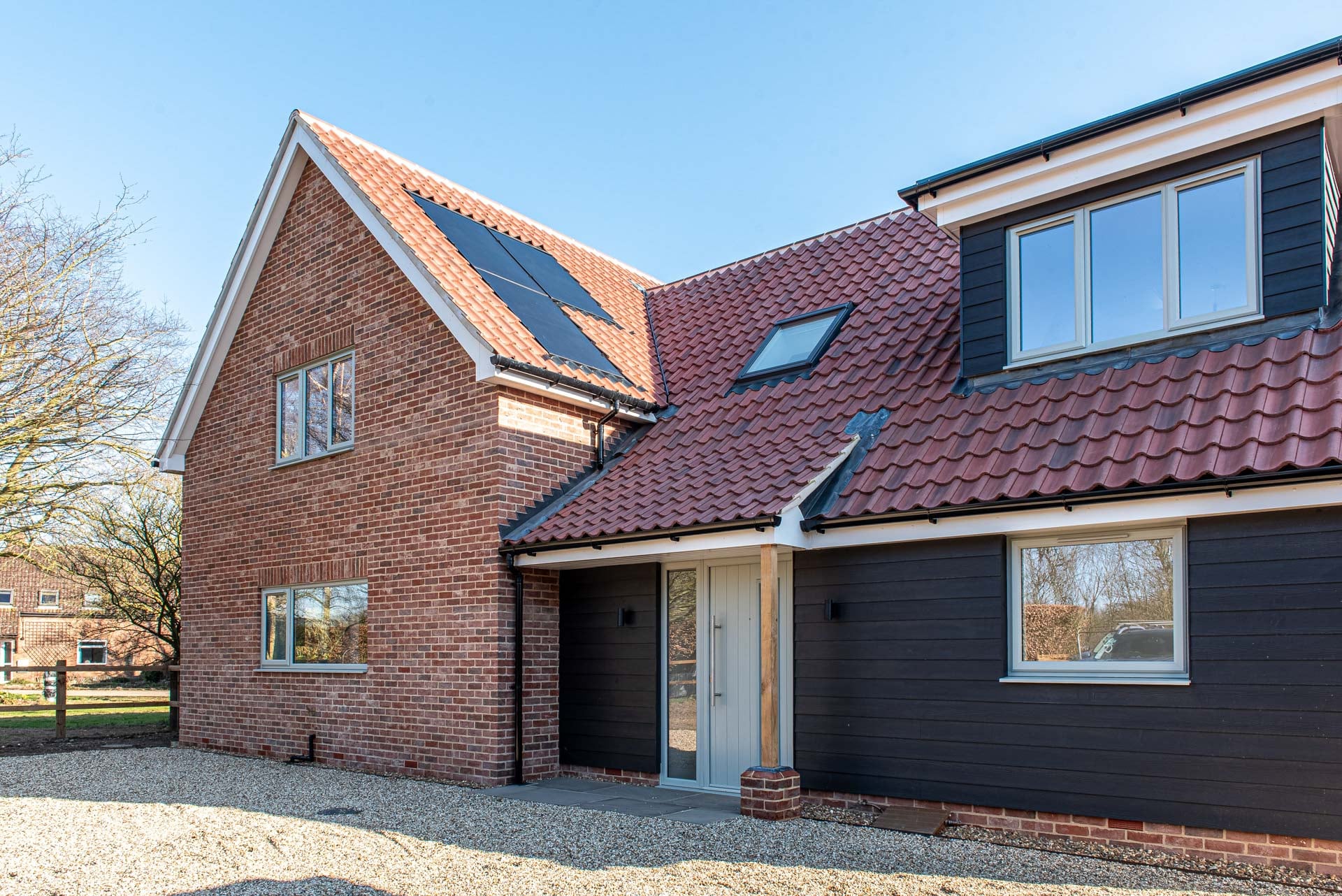
On this farmhouse in Lawford we fitted agate grey uPVC windows with agate grey aluminium bifolds at the back: uPVC where it made sense, aluminium where the owners wanted wide glass. On On the origin of windows in North Colchester we used Origin aluminium windows throughout, and on Keeping in character near Dedham, traditional uPVC stormproof windows.
See them side by side
Frame sizes, finishes and handles are much easier to judge in person, so come and compare uPVC and aluminium windows at our showroom at 38 Heckworth Close, Colchester. You can also browse our uPVC windows and aluminium windows, with Origin and Smarts among the aluminium systems we fit.
When you’re ready, get an estimate. Qualifying installations are registered with CERTASS.